Send the basics
Tell us where you are moving from and to, your preferred date and the approximate size of the move.

Long-Distance • Interstate • Cross-Country
Moving hundreds or thousands of miles takes more than a truck. Southwest Van Lines helps plan household moves around your route, inventory, building access, packing needs, timing and delivery details — with a written estimate before moving day.
Start with your route, preferred move date and approximate home size. Inventory, access and service details can be reviewed next.

Route • inventory • access • services • move date
How to Get Started
You do not need every detail figured out before contacting us. Start with the route, date and approximate move size; the rest can be reviewed with the estimate.
Tell us where you are moving from and to, your preferred date and the approximate size of the move.
We review inventory, access, packing or storage needs and the services that should be included in the written estimate.
Review the written move details, ask questions and confirm the pickup plan before your shipment is loaded.
Professional Household Moving
An interstate household move involves more than highway distance alone. The shipment may spend days in transit, your pickup and destination can have very different access conditions, and services such as packing or storage need to be planned before the truck arrives. A useful moving plan starts with both addresses and a clear inventory — not a generic online price.
Southwest Van Lines handles longer-distance household relocations, including out-of-state, state-to-state and cross-country moves. We review the scope of the move, the services you want and the conditions at both homes so you know what is being planned before loading starts.
Real Moving Work
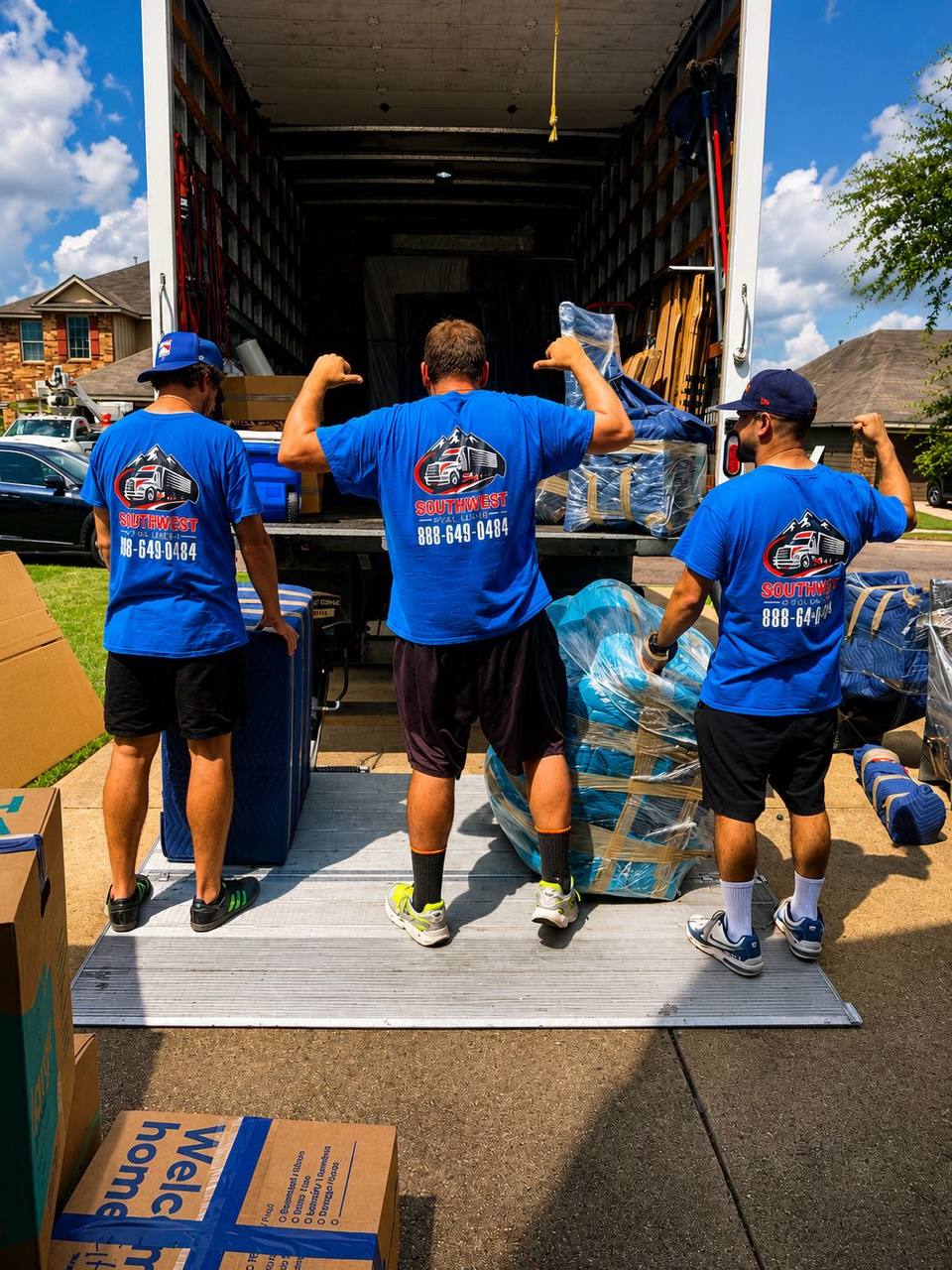
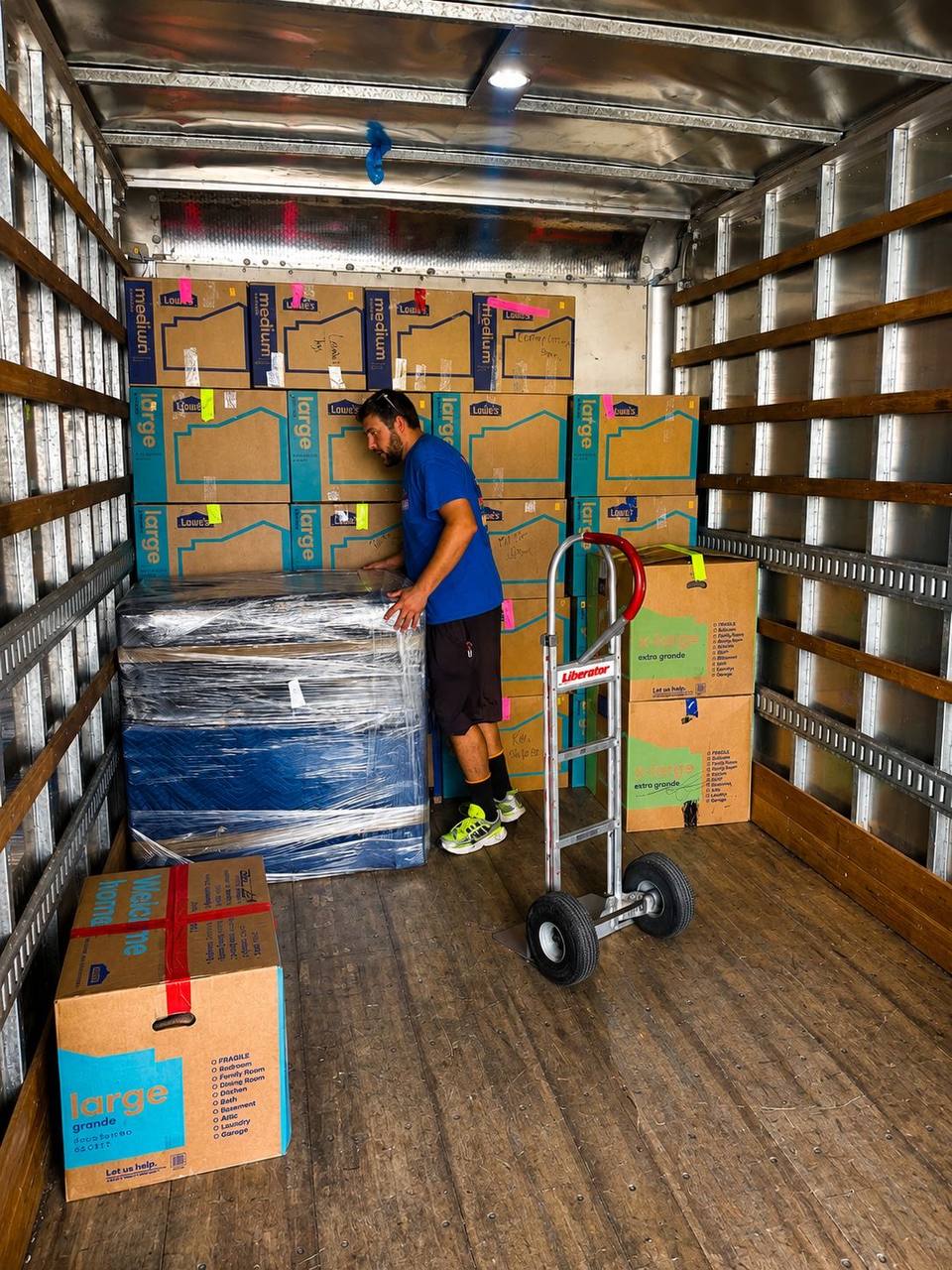
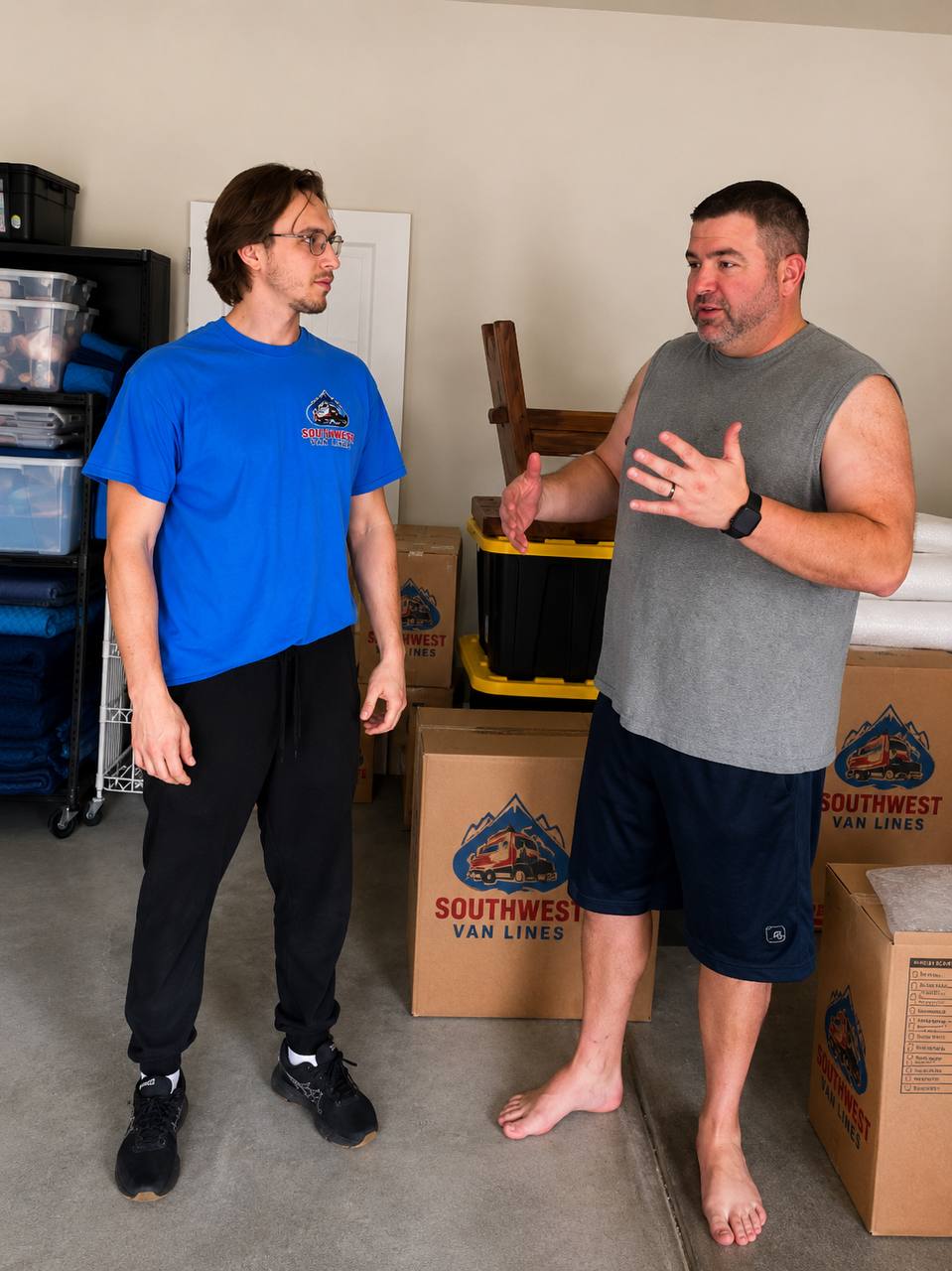
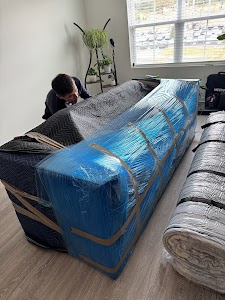
These are Southwest Van Lines photos from real household moves.
Full-Service Options
Start with household transportation, then add the services that fit your shipment, property and schedule. Availability can vary by route, move date and move details, so requested services should be included in the estimate before booking.
Full-service planning for apartments, condos, townhomes and houses moving over longer routes, from pickup and loading through transportation, delivery and unloading.
Household moves that cross state lines, planned around your inventory, written estimate, access conditions and delivery requirements.
Explore interstate moving →Longer multi-state moves where route planning, shipment size, delivery timing and communication matter from both ends of the move.
Explore cross-country moving →Ask for help packing the full home or selected rooms and household items. Packing needs should be identified before the estimate is finalized.
See packing services →Professional loading and unloading can be included as part of an interstate household move when that service fits the shipment.
See loading & unloading →Furniture can be wrapped and prepared for transportation, with disassembly or additional preparation discussed when the inventory is reviewed.
If move-out and move-in dates do not line up, ask what storage options may be available for your route, shipment and timing.
Share the floor, elevator or stair situation, loading access, parking, move hours and property-management requirements at both addresses.
Tell us the route, home size, move date and what you want help with. The goal is to price the move you are actually planning — not sell you services you do not need.
Tell us about your move →Full-Service Movers vs. DIY Options
A professional moving company is one option. Containers and rental trucks can also work for some households, but they shift more of the packing, loading or driving back to you.
The moving crew handles transportation and can add packing, loading, unloading and other requested services. This is the most hands-off of the three approaches.
Good fit when:You want professional handling and one moving plan built around the household shipment.
You typically handle some or all packing and loading while the container provider handles transportation. Storage flexibility can be part of the model.
Compare:Loading responsibility, container access, transit timing, storage terms and total door-to-door cost.
You are usually responsible for packing, loading, driving, fuel, tolls and unloading. The upfront rental rate is only one part of the total trip.
Compare:Driving distance, fuel, lodging, labor help, equipment, parking and the time required to complete the move.
Long-Distance Moving Cost
There is no single price that fits every long-distance move. A studio moving a few hundred miles and a four-bedroom household moving across the country require different truck space, labor, route planning and services. The best starting point is a written estimate based on the actual shipment and both addresses.
Written Estimates
For an interstate household move, the written estimate should describe the shipment and the services being priced. Be ready to share your furniture, boxes, home size, packing needs and access details.
For interstate household moves, federal rules generally require the estimate to be based on a physical or virtual survey unless the shipper waives the survey requirement in writing.
Binding vs. Non-Binding
Binding: the written amount applies to the shipment and services listed in the estimate. Added items or services can require a revised estimate before loading.
Non-binding: an approximation rather than a guaranteed final total; final charges depend on the shipment and services under the mover’s applicable tariff.
Read FMCSA guidance on moving estimates →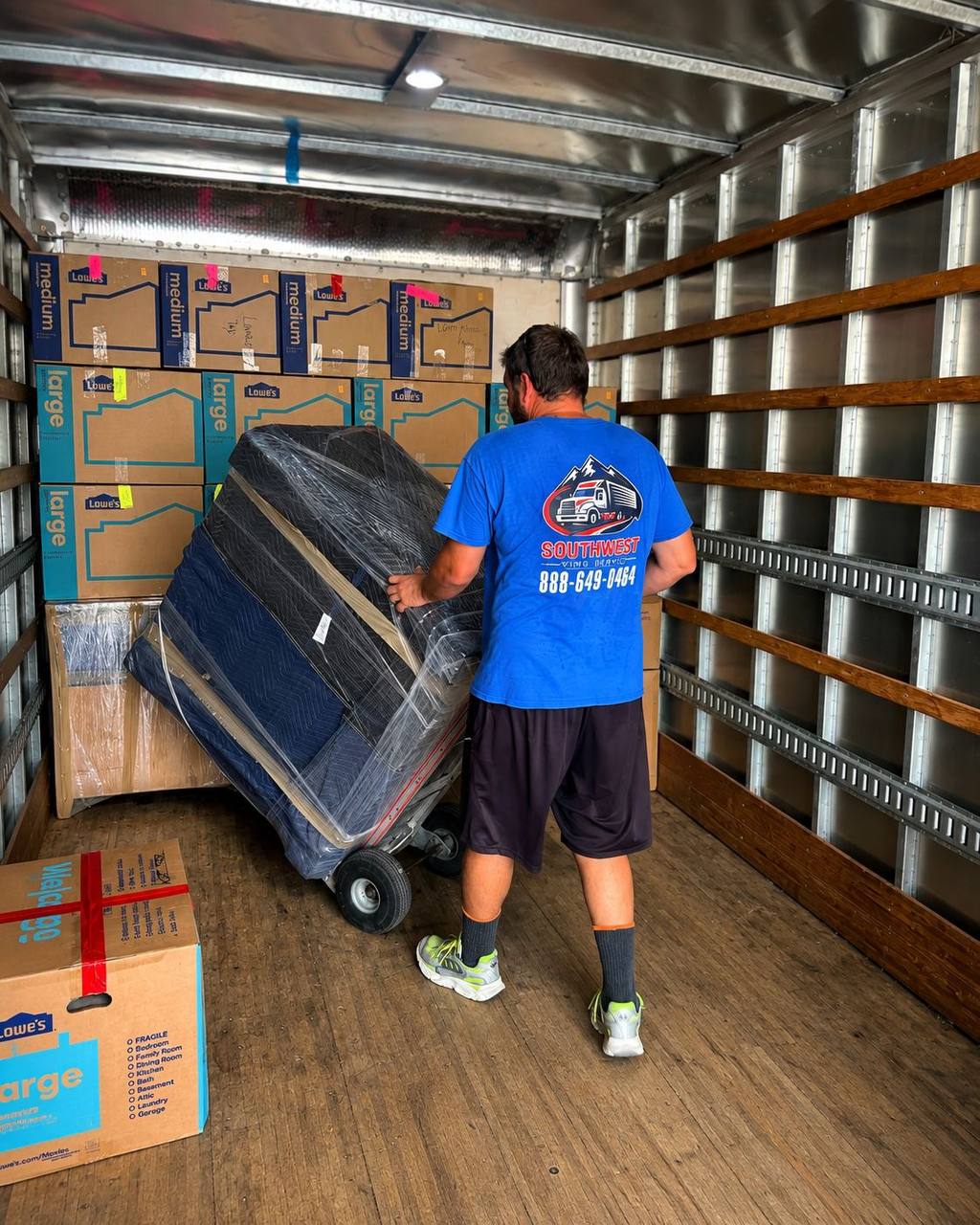
Pickup & Delivery Access
A downtown apartment, gated community, high-rise, suburban home and storage unit can all create different loading conditions. Tell us about stairs, elevator reservations, parking, loading docks, gate access and the distance from the home to the truck at both ends of the move.
These details matter because an estimate should reflect the work the crew will actually need to perform. They also help prevent avoidable moving-day delays when a property has limited move hours or truck access.
From Estimate to Delivery
Settle the important details before the shipment is loaded, then carry the same plan through transportation and delivery.
Send both addresses, your preferred pickup date and the approximate size of the move.
Confirm furniture, boxes, larger items, packing needs and access at pickup and delivery.
Check the listed shipment, services, pricing terms and payment details before you book.
Confirm building rules, parking, elevators, packing and any changes before loading begins.
Be available for delivery, direct furniture placement and review the shipment as it is unloaded.
Before the Truck Leaves
Federal interstate moving rules are one reason a long-distance move should not feel like an informal handshake. Before loading, make sure the written documents match the shipment and services you discussed.
Confirm the inventory, listed services, access details and whether the estimate is binding or non-binding.
Review the shipment contract, pickup and delivery information, payment terms and attached documents before signing.
Make sure the household goods being loaded are represented accurately and keep your copy with your moving records.
Review the level of mover liability you select and understand how it applies if household goods are lost or damaged.
Distance matters, but so do the shipment, route, pickup schedule and transportation plan. Ask for the pickup and delivery window that applies to your shipment rather than relying on a generic “X days” promise.
What Stays With You
Pack a small personal bag or folder for the things you may need during transit and at delivery. Keep identification, moving documents, medications, keys, payment methods, important records and irreplaceable valuables with you rather than inside a packed box on the truck.
Also ask for the mover’s current non-allowables guidance before packing. Flammable, explosive, corrosive or other hazardous materials may be restricted from household-goods transportation, and the exact list should be confirmed before moving day.
See our moving-planning checklist →
Valuation & Household-Goods Protection
For interstate household-goods moves, mover liability is commonly discussed as Full Value Protection and Released Value. These are valuation options, not the same thing as buying a separate third-party insurance policy.
Under Released Value, the mover’s liability is limited to 60 cents per pound per article. Full Value Protection provides a higher level of mover responsibility subject to its terms. Review the available options and your moving documents before choosing.
Review federal consumer guidance at FMCSA Protect Your Move →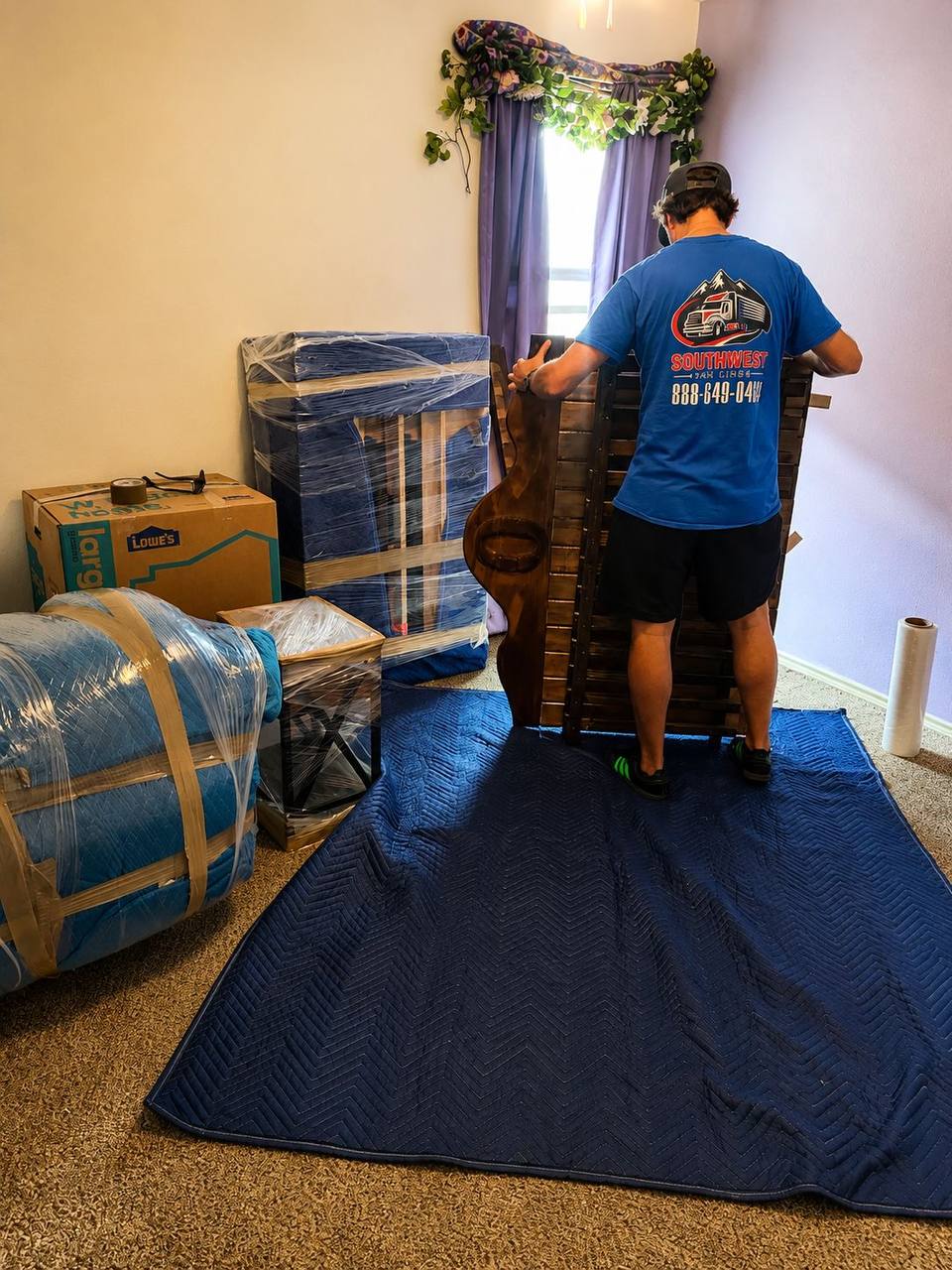
Carrier vs. Broker
A moving carrier is authorized to transport household goods. A moving broker arranges transportation with a carrier. Before an interstate move, check the company name, USDOT number and current operating authority so you know which business you are hiring.
FMCSA SAFER currently lists Southwest Van Lines LLC as an active carrier authorized for Motor Carrier of Household Goods service.
Cities & Moving Routes
City pages focus on pickup and delivery access in each market. Route guides add city-to-city planning for specific corridors.
A Practical Way to Compare Movers
A strong moving quote should make the scope easier to understand, not harder. When comparing long-distance or out-of-state moving companies, look at the federal record, whether you are dealing with a carrier or broker, how the inventory is reviewed, which estimate type you receive, what services are listed and what the delivery expectations are for your shipment.

Customer Feedback
Read current Google feedback about communication, moving-day service, handling and delivery.
Before Moving Day
Good preparation gives the mover better information and gives you better documentation.
Start My EstimateList furniture, boxes, appliances, larger pieces and items that may need extra preparation.
Check stairs, elevators, loading areas, parking, gates, move hours and long-carry distance.
Tell the mover which items you want packed and whether your timing may require storage.
Verify the shipment, services, estimate type, payment terms and any listed access charges.
Keep copies of the estimate, Bill of Lading, inventory and valuation selection with you rather than packed on the truck.
Free Long-Distance Moving Estimate
Share the origin, destination, preferred move date and approximate home size. We’ll use those details to start reviewing your move.
Long-Distance Moving FAQ
Common questions about cost, estimates, interstate moves, delivery, packing, storage and carrier verification.
Long-distance moving costs vary by shipment size, route, access at both homes, move date and services such as packing or storage. A written estimate based on your actual inventory and addresses is more useful than a national average because a small regional move and a large cross-country move are very different jobs.
“Long-distance” is a broad industry term for a move over a longer route. It does not have to cross a state line. An interstate move specifically transports household goods from one state to another and is subject to federal interstate moving requirements.
An interstate move crosses a state boundary. A cross-country move is usually a much longer interstate move across several states or regions. Both need clear planning for inventory, route, pickup access, delivery access and timing.
A useful estimate starts with what is being moved, the origin and destination, requested services and access conditions. For interstate household moves, review the written estimate carefully and make sure the shipment and services you discussed are included.
A binding estimate is a written agreement tied to the shipment and services listed in it. A non-binding estimate is an approximation rather than a guaranteed final total. If the shipment or services change before loading, the written estimate may need to be updated.
Starting several weeks ahead gives you time to build an accurate inventory, compare written estimates and confirm building access. Summer, weekends and month-end dates can be busier, so earlier planning is useful when your dates are not flexible. If your move is sooner, check availability rather than assuming it is too late.
Delivery timing depends on the route, shipment size, pickup schedule, destination and transportation plan. Ask for the pickup and delivery window that applies to your specific shipment instead of relying on a generic number of days.
Yes. Southwest Van Lines offers packing options for customers who want help with the full home or selected rooms and household items. Tell us what you want packed when requesting the estimate so the service can be reviewed as part of the moving plan.
Storage can help when move-out and move-in dates do not line up. Ask what options may be available for your route, shipment and timing, and include the storage need when requesting the estimate.
Yes. Apartment and condo moves should include the floor, stairs or elevator, loading access, parking, approved move hours and any property-management requirements. The same information is important at the destination.
It can depend on the estimate type and whether the move changes. Added furniture, boxes, packing, storage or access conditions can affect the work required. If something changes before moving day, tell the mover and ask for updated services or charges to be documented in writing.
Interstate moves include valuation choices such as Full Value Protection and Released Value. Under Released Value, mover liability is limited to 60 cents per pound per article. Review the available valuation terms before signing because valuation is not the same as a separate third-party insurance policy.
Check the legal company name, USDOT number and current FMCSA operating authority, and confirm whether the company is a carrier or broker. Then review your written estimate, inventory, Bill of Lading and valuation terms. FMCSA SAFER currently lists Southwest Van Lines LLC as an active household-goods carrier under USDOT 4142008 and MC 1588300.
For interstate household-goods moves, federal rules generally require the estimate to be based on a physical or virtual survey of the shipment unless you waive that survey requirement in writing. The point is to base the written estimate on the household goods and services being discussed, not only on a quick phone guess.
Keep identification, medications, keys, payment methods, important records, your moving documents and irreplaceable valuables with you. Ask for the mover’s current non-allowables guidance before packing anything flammable, explosive, corrosive or otherwise hazardous.
Under federal rules for a non-binding interstate estimate, the mover generally cannot require payment of more than 110% of the non-binding estimate at delivery, although additional properly applicable charges can still be due later. Review the written estimate and FMCSA guidance for the terms that apply to your shipment.
Ready to plan the move?
Tell us where you are moving from, where you are moving to and the approximate size of the shipment.